




Engineering for Returnuary: Why Your January Retention Strategy is Already Broken
Q4 revenue doesn’t have to vanish in January. Learn how AI segmentation, agentic returns, and predictive recommendations turn ‘phantom customers’ into loyal buyers and protect Q1 growth.
Congratulations on reaching the end of another year. And as we’re approaching the end of the year and working right in the middle of the likely largely lucrative holiday season, you must be enjoying the jump in orders and profits. The merry Q4.
However, we have to be honest and face the reality that comes after the very merry Q4 - the beginning of the new year, which brings about the question: “How much of your Q4 revenue will stick?”
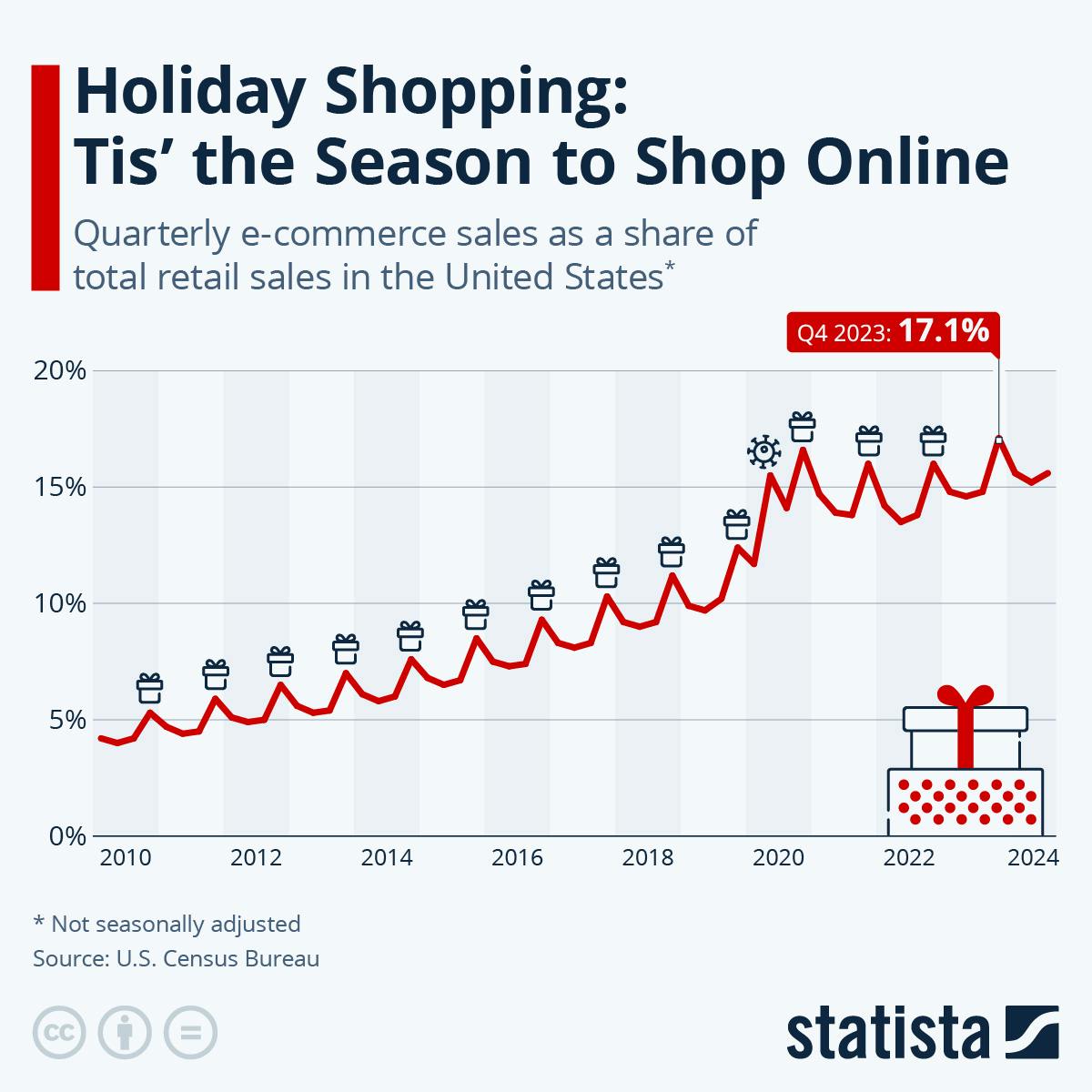
Source: Statista
If you are not new to e-commerce, this is not new to you. Nor should be the concept of the, let’s call them, a “Phantom Customer”: a person who buys something from your e-commerce store, but is not your target audience, and will likely not return, as they are simply buying a gift for someone else. A person who bought from you, but is not for you (e.g. a husband buying a perfume for his wife, a woman buying a toy for her nephew, etc.)
The traditional approach and marketing automation would include spamming all these people with content that is irrelevant to them in January, which would, in turn, cause high churn rates.
Increasing Budgets in Q5
The reality is that many CMOs decide to limit their late December and mid-January budgets when, instead, they could, and should, increase them to engineer an infrastructure that keeps Q4 wins in Q1, or Q4 of the year to follow.
This is where the concept of the traditional marketing funnel fails. It assumes a linear path for everyone. But at Firney, we advocate for an Intelligent Ecosystem, where technology doesn't just blast emails. It adapts to the human behind the screen, making sure all interactions are highly personalised.
The period from December 26th to mid-January is often called "Q5." It is a unique micro-season where ad costs (CPMs) drop by nearly 30%, yet consumer intent remains high due to gift card redemption and the "treat myself" psychology.
To capture this Q5 revenue and fix the Phantom Customer leak, we need to bridge the gap between "Buy Now" and "Buy Again" in the Buy Trifecta. Here is how we use AI and Data Engineering to turn these strangers into loyalists.
Solving the Identity Crisis with AI Segmentation
The first mistake brands make in January is assuming that purchase history equals personal interest.
If a customer bought a Men’s XL cashmere sweater on December 18th, your standard CRM logic likely tags them as "Male / Interested in Knitwear." But if that customer is actually a woman buying for her husband, sending her menswear ads in January is a wasted impression. Worse, it’s a signal that you don’t know her at all. She will unsubscribe, and you lose the channel forever.
This is where AI Segmentation moves beyond basic demographics.
The AI looks at the totality of the session data, analysing behavioural signals rather than simply focusing on the purchase itself:
- Did the billing address match the shipping address?
- Was a gift message included at checkout?
- Did the browsing behaviour look erratic (typical of a panic buyer) or focused?
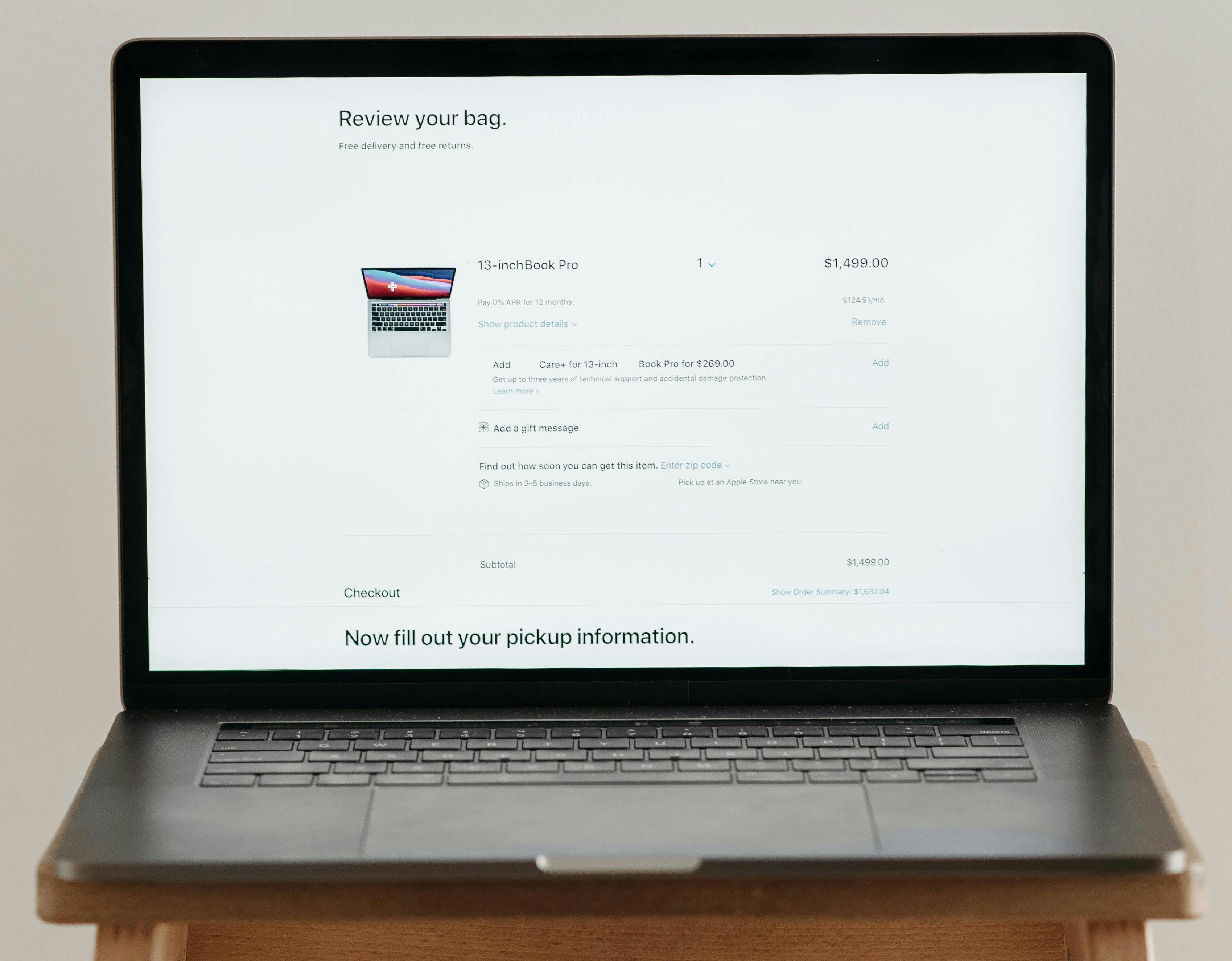
By processing these signals, you can tag users with a "High-Probability Gifter" status before the first January email goes out and avoid sending them something that is no longer of interest to them.
Instead of spamming a gifter with products they will never use, you pivot the messaging. We treat them not as a product consumer, but as a VIP Gifter. The content shifts to "Did they love it?" or "You have great taste, here is something for you." You save the contact, protect your sender reputation, and drastically increase the lifetime value (CLTV) of a user who otherwise would have churned.
Turning Returns into Revenue with AI
Let’s now address the elephant in the room with seasonal gift buyer personas: returns.
In January 2025, lovingly also referred to as Returnuary, return rates are projected to hit 25% (and up to 30% in apparel). For most brands, this is a logistical nightmare and a revenue leak. The customer fills out a static form, prints a label, and you lose the sale. It is a negative friction point that ends the relationship.
A great opportunity to approach your customers through a conversation, leading them away from the return and into a new purchase.
The static return forms can be replaced with AI: intelligent, conversational agents that live on your site. When a customer wants to return a gift, they aren’t met with a form; they are met with a conversation.
Imagine this workflow: A user indicates they want to return a pair of shoes. Instead of just generating a label, the AI Agent instantly checks your real-time inventory.
- Agent: "I’m sorry those didn’t fit! I see we actually have the next size up in stock right now. Would you like me to ship those to you today instead of a refund?"
Because the Agent has access to your stock levels and customer data, it can negotiate an exchange in real-time. It can even upsell: "Since you are exchanging, would you like to add the matching care kit for 20% off?"
You transform a refund (Revenue Loss) into an exchange (Revenue Retention). Data shows that immediate, conversational handling of returns can convert up to 30% of would-be refunds into exchanges. You keep the cash in the business and turn a frustrating logistics hurdle into a premium, concierge-style experience.
Bridging the Gap with Predictive Recommendations
Once we have segmented the audience and handled the immediate post-holiday churn, the final piece of the puzzle is the pivot to "self-gifting."
This is the Q5 secret weapon. Post-holiday shoppers are often flush with cash and are looking to "treat themselves" after a stressful season. But if they bought a gift for someone else in December, your recommendation engine is broken. It’s recommending products based on the gift, not the giver.
A way to approach this is to utilise predictive AI recommendations.
Engineering models can analyse the spending profile of the customer, rather than the specific item. We know the giver has purchasing power. We know they value premium delivery. We compare their profile against millions of other data points to predict what they likely want for themselves.
If they bought a high-end coffee machine for a friend, we don't recommend coffee beans. We recommend high-end kitchenware or premium lifestyle goods that match the demographic of a "Generous Gifter."
This bridges the gap to the "Buy Again" phase. You stop looking backwards at what they bought, and start looking forward at who they are. This increases Average Order Value (AOV) in Q1 and proves to the customer that your ecosystem is intelligent enough to understand the difference between a gift and a personal need.
Conclusion: Engineering Loyalty
The "Holiday Hangover" is only a hangover if you treat it passively.
If you rely on the same static flows and "batch-and-blast" emails as your competitors, you will see the same spike in churn. But the data is there. The technology is there.
By leveraging Audience Segmentation, Generative AI, and Predictive Engineering, you can capture the "Phantom Customer." You can prove to your board that marketing isn't just about the December spike, it’s about the January retention that positions you ahead of the competition.
The traffic has already been paid for. Now, let’s build the ecosystem to keep it.
Is your Q1 strategy built on hope, or is it built on engineering? Let’s talk.