




Agentic Commerce in 2026: Growth Driver or Margin Tax?
The agentic commerce shift means AI agents now influence purchases. See what the 4% "agentic tax" means for D2C margins and how brands should respond.
The promises and predictions of 2026 in e-commerce are agentic. While it may seem to be in contrast with the current state of most retail websites, which are not exactly keeping up with technological advancements, or, more importantly, customer expectations, the ones who are prepping the way are actually tech giants such as Google and OpenAI.
They have already successfully changed the way we research the internet for all other matters, and are now more than ever entering the e-commerce arena.
Some news of their involvement in the shopping journey was introduced last year, such as a ChatGPT shopping assistant conducting a detailed discovery for the customer.
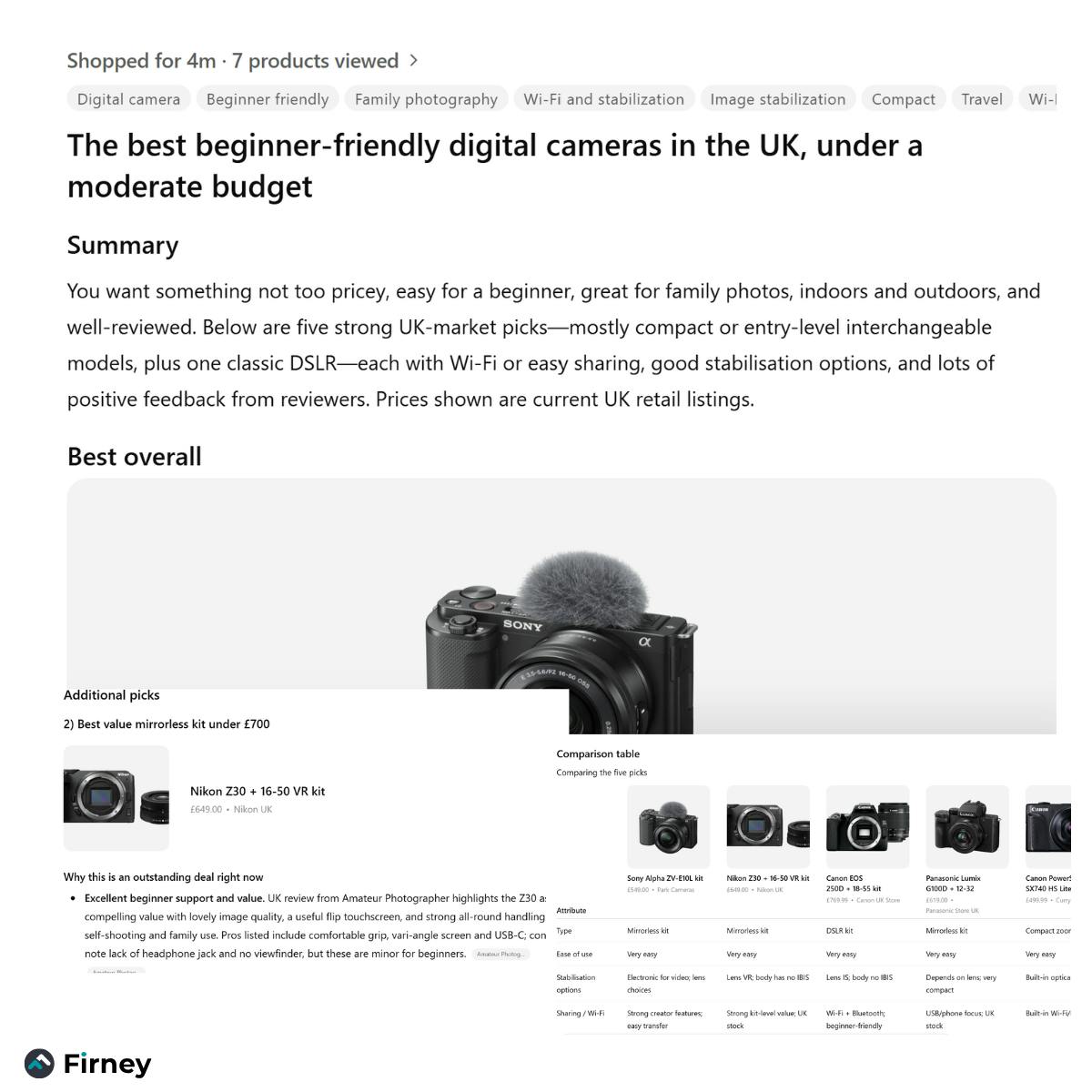
Image 1: ChatGPT Shopping Assistant, Screenshot
However, at the beginning of 2026, they have both made much bigger and much more impactful strides, affecting not only the customer but, more so, the retailer.
They are now slowly taking over the checkout process, and they are not keeping it free. Due to all of this, social networks have been flooded with experts discussing how a retailer can stay relevant in the new age of agentic commerce.
Not only that, but the following questions also arise:
- If an LLM conducts the customers’ entire shopping journey (from discovery to purchase), how can you keep them on your own e-commerce site?
- Is the transactional fee paid to LLMs worth it?
- Should you block LLMs and remove yourself from their checkout and discovery?
- Should you (and to which extent) provide a similar shopping experience to customers who might visit your website, and why?
This is an area still largely unexplored, and while we are yet to see how everything is going to transpire (primarily to what extent the customer will be willing to play this agentic game), there are ways retailers can prepare.
LLMs Taking Over the Customer Journey
At the beginning of the year, Google announced its Universal Commerce Protocol, which effectively bridges the gap between their Merchant Centre and the Gemini-powered agent. This allows the AI not just to find your product, but to verify real-time stock levels and shipping speeds before the user even asks.
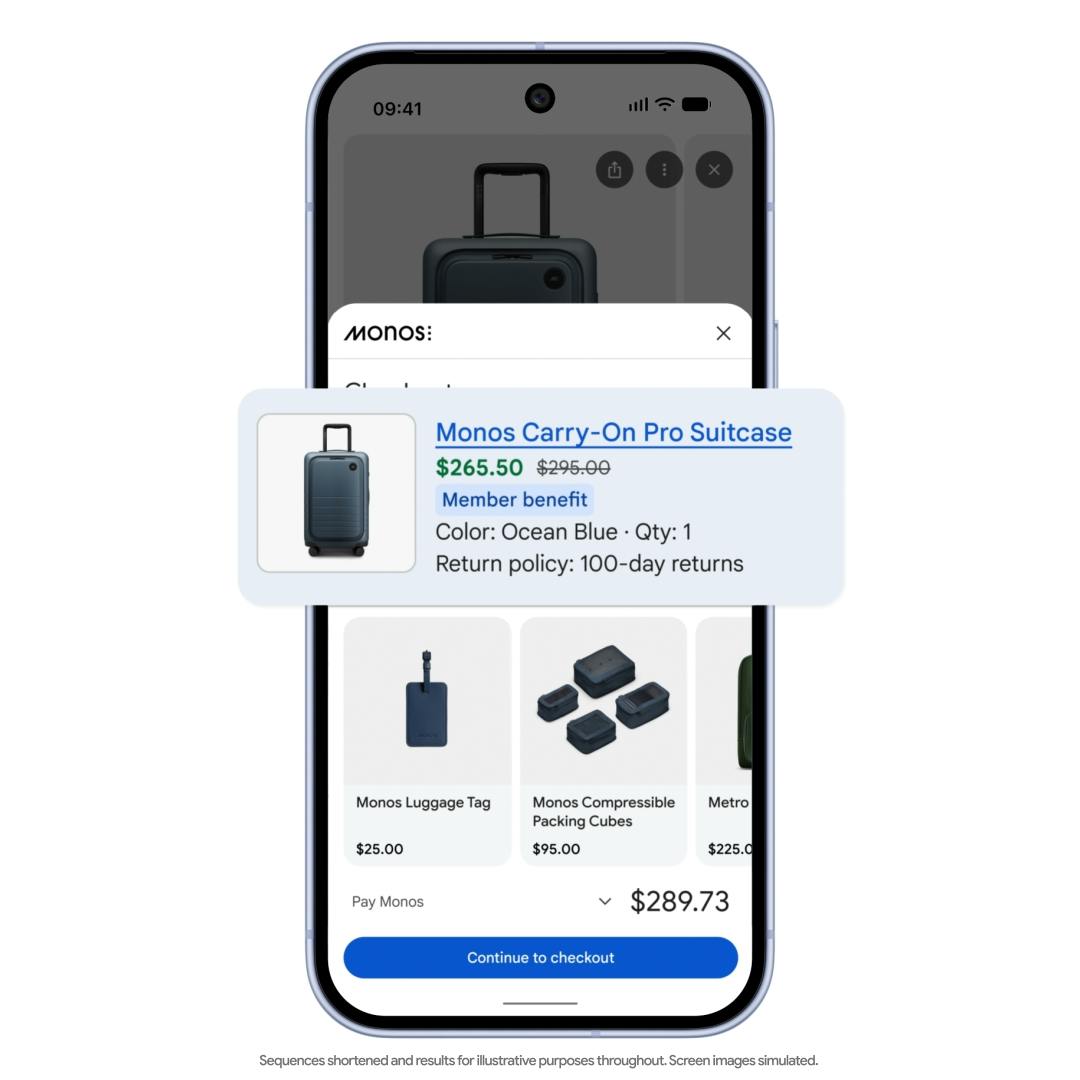
Image 2: Google UCP, Source: Google
Another big announcement came from OpenAI, which decided it is time to start monetising their tool by introducing a 4% transaction fee for all purchases completed within ChatGPT. With ChatGPT being a largely unprofitable tool for its owners so far, with not collecting enough funds or earning via their paid channels, while at the same time wasting surmountable amounts of money on computing, OpenAI’s move was not completely unexpected.
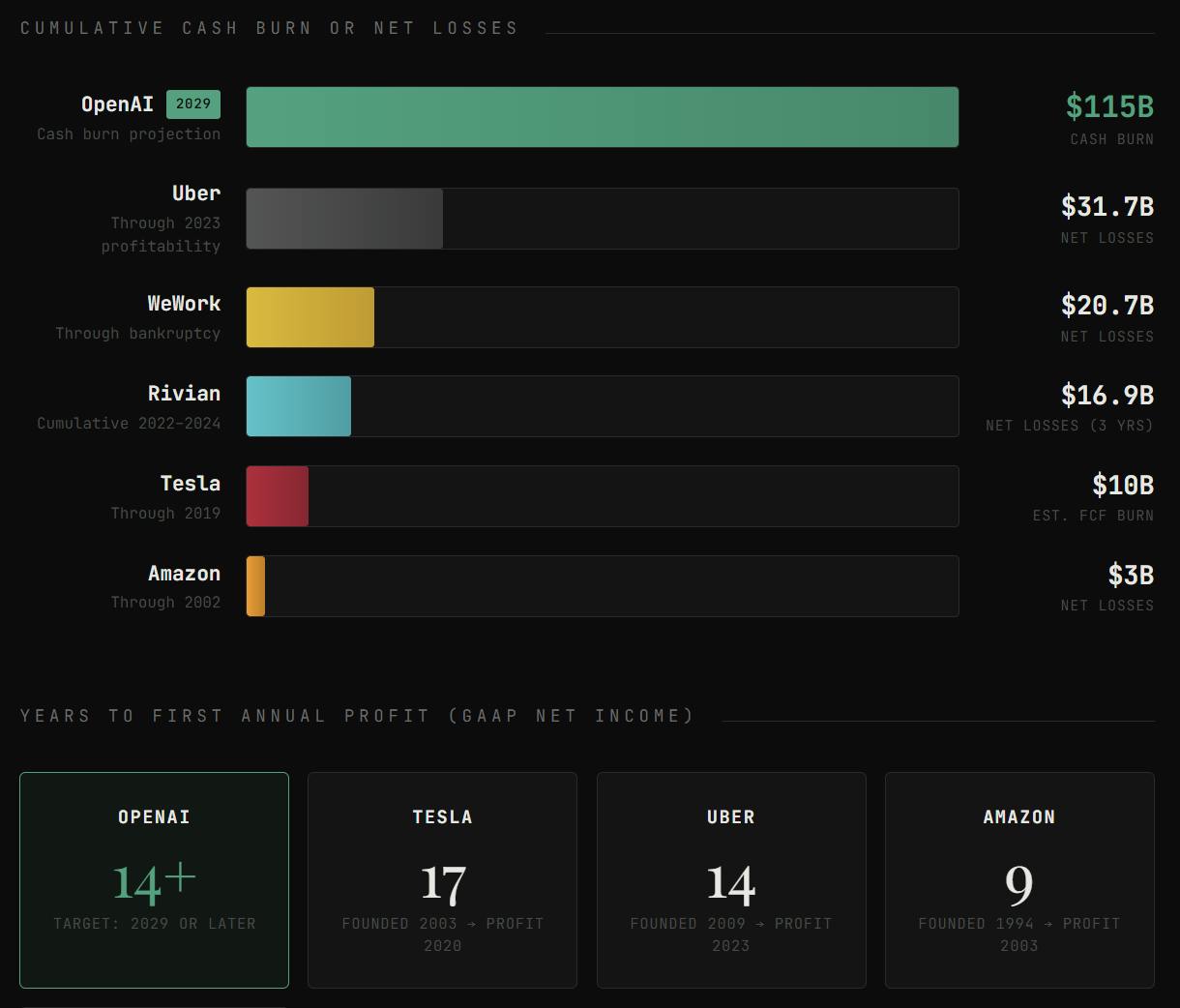
Image 3: ChatGPT Cash Burn, Source: R&D World
They have to become profitable sooner rather than later and will likely introduce more news that will require their users to pay one way or the other.
It is not just that Google and OpenAI are entering the customer journey. It is said they are "taking it over" because of the traffic they receive, but also because whatever they decide to offer their users instantly (or soon) becomes the model everyone needs to follow.
The logic here is quite simple. If a customer gets used to an intuitive, quick, intelligent, and frictionless shopping assistant that's leading the way to a purchase, they will no longer have the mercy or the patience for traditional shopping journeys characterised by a thousand filters, complex menus, keyword-based searches, and catalogues requiring endless scrolling.
Traffic Source
While a lot of website traffic still comes from Google search, the number of people using ChatGPT (or Gemini, or Perplexity) for discovery is growing rapidly. Excluding yourself from this source of discovery and being invisible to potential customers while they discuss their needs with their AI confidante may likely lead to losing large numbers of these potential customers.
You cannot allow yourself not to be visible in one of the most important discovery (and, soon, likely purchase) channels. If your products are not indexable or "shoppable" via an API that an agent can read, you effectively do not exist for the growing segment of customers who have outsourced their decision-making to AI.
This is not just theoretical. Data from early 2026 shows that traffic from AI sources has surged by 1,200% while traditional organic search clicks have dipped by 10% year-over-year.
What is also important to note is that, while the traditional organic traffic is down, the traffic that comes from AI is high-value. What this means is that the customers searching via LLMs are already further along the customer journey and more likely to convert. According to a 2025 study by Seer Interactive, visitors referred by AI platforms actually spend 68% more time on a website once they arrive than those from traditional search. This proves that the LLM isn't just a bot used for aimless discussions, but a high-quality concierge sending you its best customers.
This also confirms that it in no way can pay off to completely exclude yourself from being indexed by LLMs, as you will not only be avoiding the dreaded transaction fee (and losing the sale that comes with it, along with very important customer data), but you will also lose high-intent customers who use it for discovery to actually reach your website.
The 4% Question: Tax or Investment?
The discussion online regarding OpenAI's 4% fee mostly focuses on the number. Is 4% too large a fee to pay? Should we as retailers revolt and remove ourselves from their discovery and rely only on the customers that come and visit our website? Are we just bowing down to them and accepting the imposed fee?
The reality is that we must look at the "agentic tax" in the context of traditional customer acquisition costs. For years, DTC brands have seen their margins squeezed by rising Meta and Google ad auctions. In many cases, the blended CPA (Cost Per Acquisition) for a new customer far exceeds 4%.
When an LLM conducts the checkout, you are essentially trading a portion of your margin for a highly qualified, high-intent conversion, as we’ve already mentioned earlier. The agent has already done the filtering. It has compared your reviews, your price, and your delivery times against the entire market. If it reaches the checkout phase, the sale is, essentially, already won.
So the conclusion is the following: While you do pay some sort of a tax for the initial purchase, that one purchase is more of an investment than the mere fee you pay for it. The purchase is not the end of the customer journey, which is why you should use LLMs as just another discovery channel, leading customers and potential customers directly to your own website. Accept it for quick purchases.
However, take it a step further and don’t remain passive after they complete a purchase or visit your website. What you need to do is focus on growing your website into an undeniably superior experience to that of an LLM interaction, making your own channel worth coming back to.
How to Stay Relevant When the Interface Disappears
If the customer is no longer browsing your UI, your website must pivot from being a "digital shop window" to a "high-fidelity data source." This shift requires three specific strategic adjustments.
Transitioning from SEO to MAIO
Traditional Search Engine Optimisation was built for humans who scan pages for visual cues. Machine Agent Interaction Optimisation (MAIO) is built for LLMs that scan code for certainty.
To keep customers, or rather, to keep their agents choosing you, your technical backend must be flawless. This means moving beyond basic schema and providing agents with direct access to structured data that proves your value proposition instantly.
The Identity Hub over the Storefront
We have to ask why a customer would ever leave the comfort of their AI interface to visit a standalone site. The answer lies in brand depth and post-purchase utility. Your website should no longer be a place to "find" products, but a place to manage the relationship with the brand.
This includes exclusive loyalty rewards, community interactions, and personalised configurations that an LLM cannot yet replicate in a text box.
We will discover in more detail what it is that keeps your customers on your website in our next blog post. You can subscribe to our newsletter to get notified of it and receive additional insights and comments on the topic.
Providing an "Agent-Grade" Experience On-site
Should you provide a similar shopping experience to customers who do visit your website?
Yes - because a customer who leaves an LLM to visit your site is looking for a deeper level of brand immersion. If they arrive and find a static, 2024-style grid of products, the friction will drive them back to the AI.
Your on-site search and discovery must be as capable and conversational as the tools they just used to come to you.
As simple as this message sounds, it is true: there is much LLMs can offer to your customers, but there is also much it cannot.
Preparing for the Pivot
The transactional fee paid to LLMs is only "worth it" if you use that initial purchase as a gateway to own the customer's data for the long term. If you treat agentic commerce as a one-off transaction, then yes, the 4% fee is a drain. If you treat it as a lower-friction acquisition channel, it becomes a powerful tool for growth.
While we are still navigating this unexplored area, it is evident that the brands need not fight the LLMs, but:
- Start feeding it the right information.
- Provide their customers with a shopping experience superior to that given to them by an LLM.
You cannot block the future, but you can certainly ensure your brand is the one the agent recommends, and the one the customers prefer to continue interacting with - even after the purchase.
We will discuss more about what your website can and should offer to your customers if you truly want to compete with LLMs and use them only as one of the sources of acquiring new customers.
Join the conversation
While last week we talked about how to win back customers from LLMs (the recording is available here), this week, we focus more on what makes those customers use LLMs in the first place.
More precisely, we focus on the GenZ customer: how they behave online, how they search and discover, and how to optimise your website based on that (prepare to say goodbye to traditional menus, filters, and endless lists of products).
Register here: Wednesday, Feb 18th, 11.00 am (GMT)
Frequently Asked Questions
1. Does the 4% OpenAI fee replace my Shopify transaction fees? No. This is an additional channel fee, similar to a marketplace referral fee, though it often includes the "cost" of discovery that you would otherwise spend on PPC ads.
2. If an agent buys the product, who owns the customer data? Under current 2026 protocols like UCP, the "handshake" still requires the agent to pass shipping and contact details to the merchant for fulfilment, allowing you to retain the customer in your CRM.
3. Will LLMs prioritise brands that pay higher commissions? Currently, LLM discovery is based on "best fit" and data clarity. However, the industry is closely watching for the introduction of "Sponsored Agent Responses," which would mirror traditional ad models.
4. How does an AI agent "see" my brand's values or sustainability? Agents parse your structured metadata. If your "Sustainability" credentials aren't tagged in your product feed, the agent cannot use them as a filter for a conscious shopper.
5. Should I block ChatGPT from crawling my site? Blocking agents is a move toward invisibility. Unless you have a highly exclusive, closed-loop community, removing yourself from AI discovery is effectively removing yourself from the modern shopping journey.