




The Age of Digital Shopping: AI-Powered Virtual Shopping Assistants in UK E-Commerce
See real examples of UK retailers leveraging AI to improve shopping journeys, reduce returns, and deliver human-like online experiences.
The way e-commerce has been functioning for the first part of our digital shopping experiences was in a singular, one-directional manner: from the user to the machine. You had to know exactly what you wanted and describe it precisely the way the machine would be able to understand it. Earlier, we discussed the consumer having to take on the role of a translator in order to successfully converse with the machine. We also discussed the failures of traditional keyword search.
Today, it is all about personalisation and a two-way conversation between the human and the machine.
When we talk about “Virtual Shopping Assistants,” we’re not just talking about chatbots. We’re talking about a new ecosystem of Consultative AI: from Conversational AI (that speaks with you) to AI Search (that understands intent) to AI systems that recommend products or guide decisions. Whether it's a text bar, a chat window, or a voice command, the goal is the same: help the customer move confidently from “I’m not sure” to “That’s exactly what I need.”
It is important to note that many successful brands have already recognised and reacted to these changes. Which only means the users will have an option to choose another brand if yours is not ready to tackle the changes and respond to their needs. What is more, consumers are already massively using AI to solve their issues, to discuss buying decisions, and to conduct product research. It is no longer just a novelty being tested, but has instead become a utility. The data and the existing successful cases in UK e-commerce prove it.
From Transactional to Conversational and Consultative Commerce
Consultative AI transforms the one-dimensional online shopping experience and brings it ever closer to the desires of consumers.
How UK Brands Are Doing It
Leading retailers in the UK have already successfully remodelled their shopping journeys. They are bringing the in-person shopping experience to the online world. Not using the simple chatbots we have had the chance to see in the past, but complex conversational systems that understand intent, context, and style.
1. Zalando: The Contextual Stylist
In 2024, Zalando launched a localised fashion assistant now available for users in all of its 25 markets around the world. Powered by OpenAI, it helps users navigate through their vast selection of clothes and accessories.
While the user used to be able to sift through it manually by selecting different filters (e.g. Category: Dresses > Style: Formal > Material: Breathable), the experience no longer relies on the user knowing exactly what they want or building the path to that one particular item themselves. Instead, the assistant invites a natural conversation, which means that a customer can, for example, simply ask: "What should I wear for a wedding in Santorini in July?"
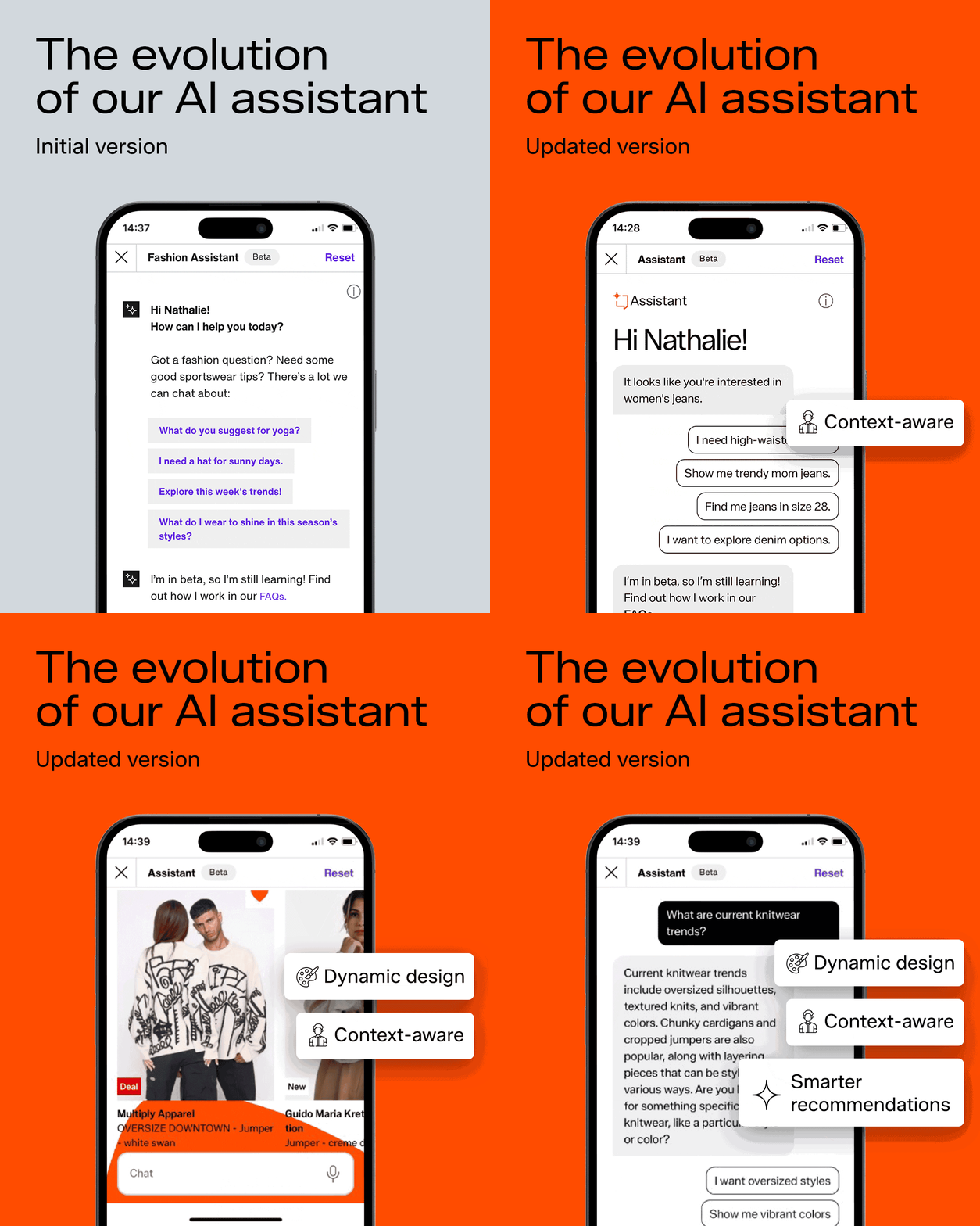
Zalando Fashion Assistant, Source: corporate.zalando.com
The AI parses this complex request instantly. It understands the context (a wedding requires formal attire), the location/weather (Santorini in July is hot, requiring breathable fabrics), and the aesthetic (Mediterranean, likely lighter colours). It then returns a curated selection of outfits that fit that specific scenario. It transforms the search bar from a tool for retrieval into a tool for advice.
2. ASOS: "Styled for You"
ASOS is tackling a different, but equally expensive, problem: the disconnect between buying an item and buying a look. This disconnect often leads to high return rates when customers get a product home and realise they have nothing to wear with it.
Their "Styled for You" AI acts as a personal stylist. Unlike standard "You might also like" widgets, their AI is trained on over 100,000 expert studio looks. If a customer is viewing a statement skirt, the AI understands the specific aesthetic of that item and proactively suggests the exact boots and top that complete the outfit. It moves the interaction from transactional to consultative by proactively suggesting the exact boots and top that complete the outfit, acting as a silent digital stylist, driving up Average Order Value (AOV).
3. Klarna: The Efficiency Engine
While fashion brands focus on discovery, Klarna has proven the massive operational ROI of AI. Their AI assistant now handles two-thirds of all customer service chats, which is over 2.3 million conversations.
Crucially, this isn't just about deflecting calls, it's about quality. The AI performs the equivalent work of 700 full-time agents, reducing resolution times from 11 minutes to just 2 minutes.
While some others are still waiting on the results from their AI, Klarna has already proved their AI ROI. A $40 million profit improvement in 2024 alone. For a CMO, this proves that AI doesn't just drive top-line sales. It fundamentally restructures the cost of serving the customer.
4. Boots: Solving "Gift Anxiety"
During the holiday season, purchase hesitation often stems from a lack of confidence, specifically when buying for others. Boots deployed "Conversational Ads" to act as a gifting assistant, using Facebook Messenger or Instagram Direct to guide unsure shoppers to the perfect beauty gift based on budget and recipient personality, all through an interactive chat experience.
Once again, the results were stark: a 460% increase in conversion rates compared to standard display ads. By acting as a guide rather than a billboard, the AI removed the decision paralysis that typically causes shoppers to abandon their journey.
5. Currys: The Technical Co-Pilot
Buying high-value electronics online is fraught with "spec anxiety." Will this washing machine fit? Is this laptop fast enough for video editing?
Currys uses a "Co-Pilot" model to arm its staff with instant technical knowledge. They are also rolling out features for customers, allowing them to decipher complex spec sheets by answering questions in plain English. This builds the confidence required to commit to high-ticket purchases without needing to visit a store for reassurance. Additionally, it also helps resolve product issues as it helps users self-diagnose the problem, reducing costly and time-consuming product returns
6. Tesco: Hyper-Personalised Gamification
Tesco has moved beyond simple "points" to AI-driven "Challenges." Using their Eagle Eye AI platform, they analyse individual shopper habits to generate hyper-personalised challenges (e.g., "Buy 2 healthy ready meals this week").
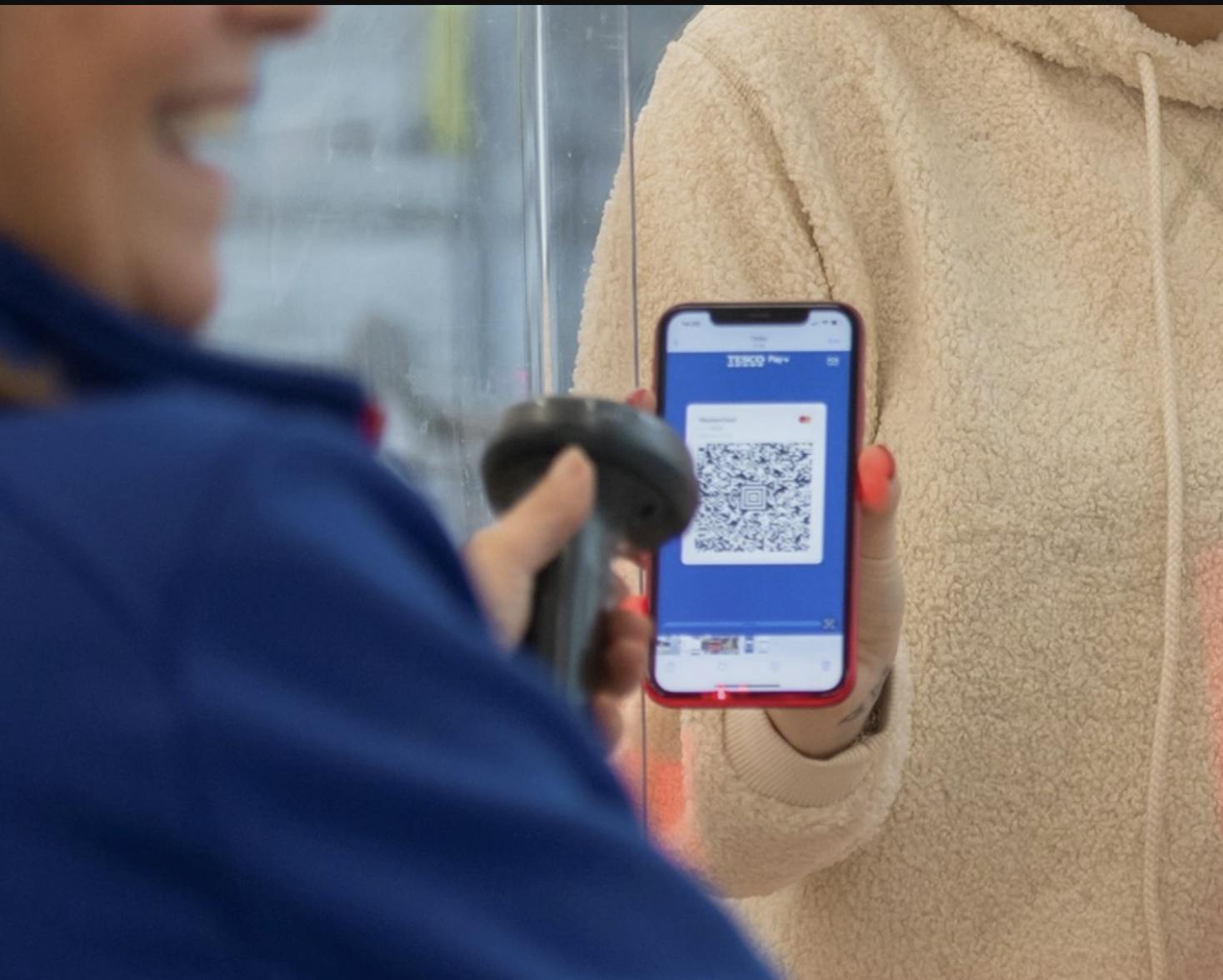
Source: tescoplc.com
This does more than reward spend, it changes behaviour. By gamifying the discovery of new categories, they drove their "biggest ever Christmas performance," proving that AI can deepen loyalty by making the weekly shop feel tailored to the individual household.
Conclusion: The ROI of Being "Human"
The common thread across all these examples is not "technology". It is empathy and personalisation.
Whether it’s styling an outfit, checking a washing machine size, or finding a gift for Mum, these AI tools are successful because they replicate the human experience of being helped. They move the customer from a lonely, transactional search to a supported, consultative conversation. Think of the in-store buying experience, but more advanced and informed.
We are in an era where online shopping is based on building a good shopping assistant. Whatever the problem your e-commerce store is facing, different AI solutions can be customised for you to solve it.