




2026 Forecast – The Year UK E-commerce Moves from 'AI Hype' to 'AI Utility
2026 is the year of AI utility in e-commerce. Learn how semantic search, session-based personalisation, and conversational commerce fix mobile conversion gaps and discovery friction.
If 2024 was the year of "AI Surprise" and 2025 was the year of "AI Experimentation," 2026 is shaping up to be the year of AI Utility.
For the last year or two, the UK ecommerce sector has been awash with pilot projects. We have seen generative tools writing blog posts nobody reads and chatbots that apologise more than they assist. But as we settle into 2026, the mood in the market has shifted. The novelty has worn off.
Your customer is no longer just "browsing." They are "prompting”, and not just for research purposes.
They have now spent the last couple of years training themselves on tools like ChatGPT to get instant and specific answers. Then they land on your e-commerce site and are forced to use a search bar technology from 2015. They are not happy.
The gap between consumer expectation (instant, conversational answers) and retailer reality (checkboxes and filters) is where you will lose or win market share this year. To keep up with your users in 2026, the focus must shift from "buying AI tools" to "solving discovery friction."
Low Mobile Conversion Rates
To understand why this shift is urgent, we have to look at the data. The UK boasts one of the highest mobile commerce penetration rates in Europe. Mobile currently accounts for roughly 70% of total retail traffic.
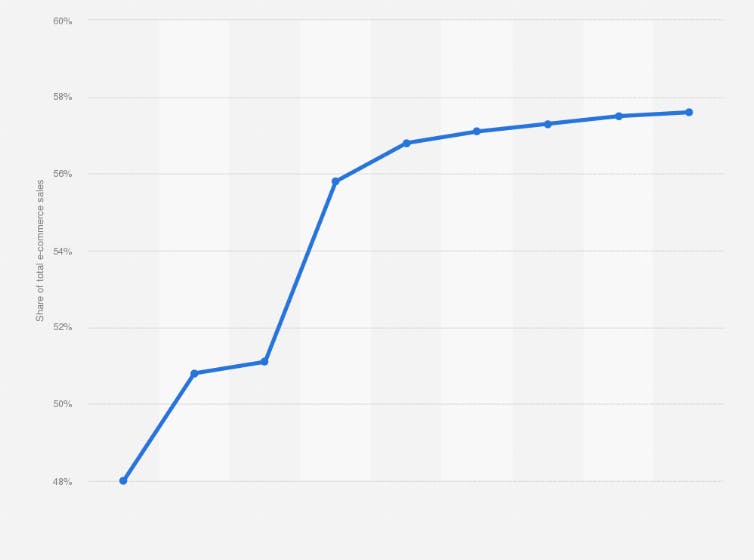
Mobile as percentage of total retail e-commerce sales in the United Kingdom (UK) from 2019 to 2027, Source: Statista
However, the conversion numbers tell a painful story. While desktop conversion rates are holding strong at approximately 3.9%, mobile conversion in the UK often languishes around 1.8%.
Why is there such a massive disparity?
It is a user interface problem. Forcing a user to tap through four layers of menus on a 6-inch screen is a friction point that modern technology has made obsolete.
The traditional "filter" system assumes the customer enjoys the hunt. The 2026 customer does not. They expect the interface to adapt to them rather than the other way around. They’ve now seen and got used to technology that does precisely this.
The End of the Keyword: Why Traditional Search is Failing
We have written before about the limitations of traditional search. 2026 is likely the year the "keyword" finally dies as the primary discovery method. It does not mean that keyword search will disappear completely. Instead, it will be replaced by hybrid search.
Recent research suggests that 69% of online shoppers go straight to the search bar when they visit a retailer. Yet 80% of them leave because the experience didn't meet their expectations (Nosto, Ecommerce Age Research, 2023).
The problem is the mechanism itself. Traditional search relies on "lexical matching." It tries to find the exact word you typed in the product description.
If a user types "Warm coat for dog walking" and your product description doesn't explicitly say "dog walking," the result is the dreaded "0 Products Found."
This is a major conversion killer. In 2026, leading retailers are moving to Vector Search (Semantic Search). This technology doesn't match words. It matches intent.
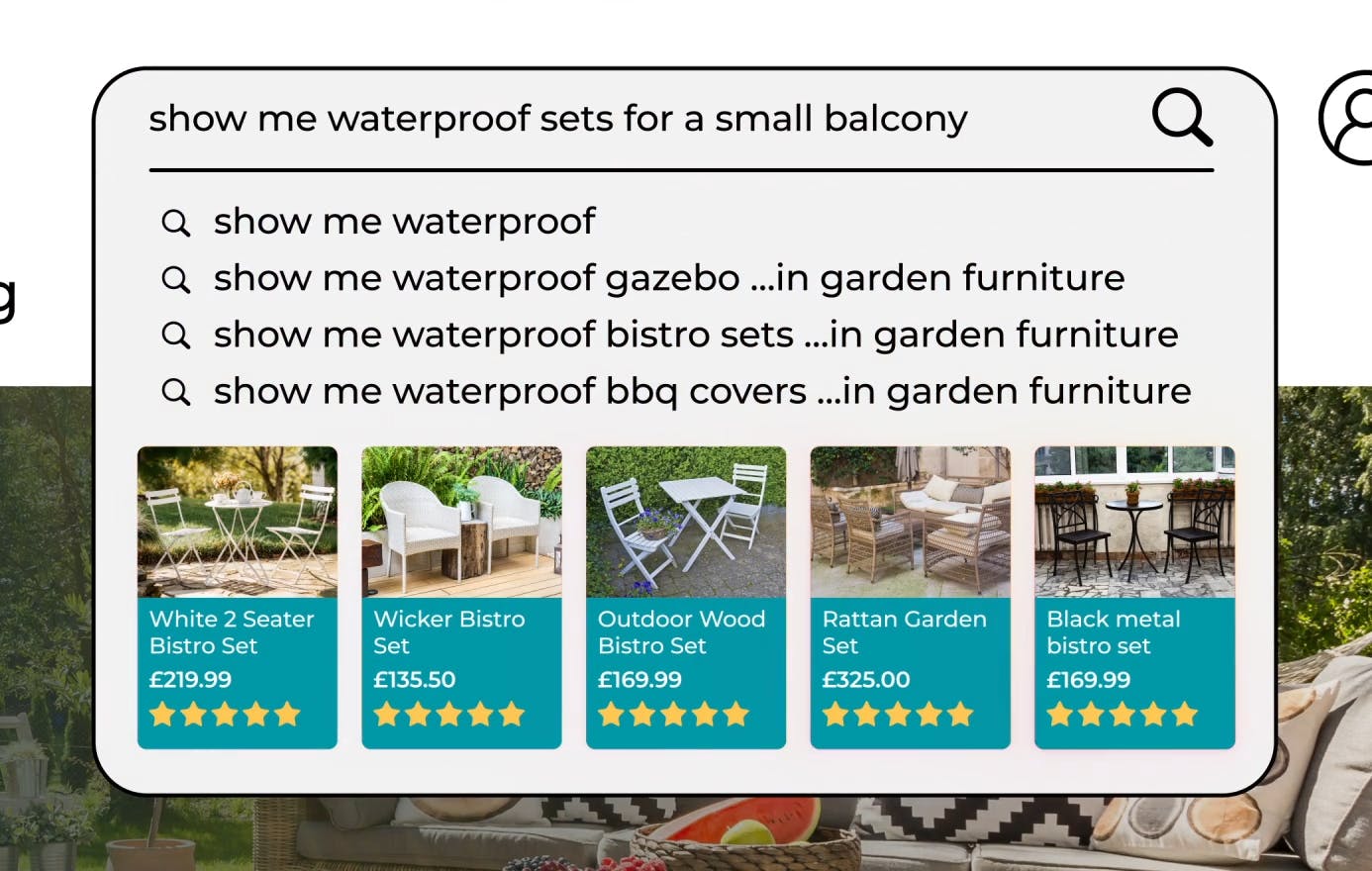
Example of search matching intent
In a Vector-based system, the AI understands that "dog walking" in the UK implies specific attributes. It looks for items that are waterproof, mud-resistant, and breathable. It instantly connects the user’s intent to your inventory and returns a curated list of parkas and wellies.
The utility here is simple. The customer speaks naturally, and the shop understands instantly.
From Static Pages to Dynamic Segmentation
If fixing search is step one, step two is rethinking how your site presents itself.
Currently, most e-commerce sites are static libraries. Every user sees the same homepage. Every user sees the same "New Arrivals" grid. This approach ignores the context of the visit.
Data from IBM's Consumer Trends reveals that 74% of consumers are now comfortable with AI assistants making decisions for them, provided it saves time. This signals a readiness for AI-Driven Segmentation.
In 2026, we expect to see a move toward "Session-Based Personalisation." This isn't just about what a user bought last year. It is about what they are doing right now.
We can split these into two clear behaviours:
- A user who lands on a specific product page from a Google Shopping ad. They scroll to the size guide and check the return policy immediately. They need reassurance and speed. The site should suppress "Explore More" distractions and highlight delivery dates.
- A user who lands on the homepage from Instagram. They need inspiration. The site should re-arrange itself to show trending visuals and social proof.
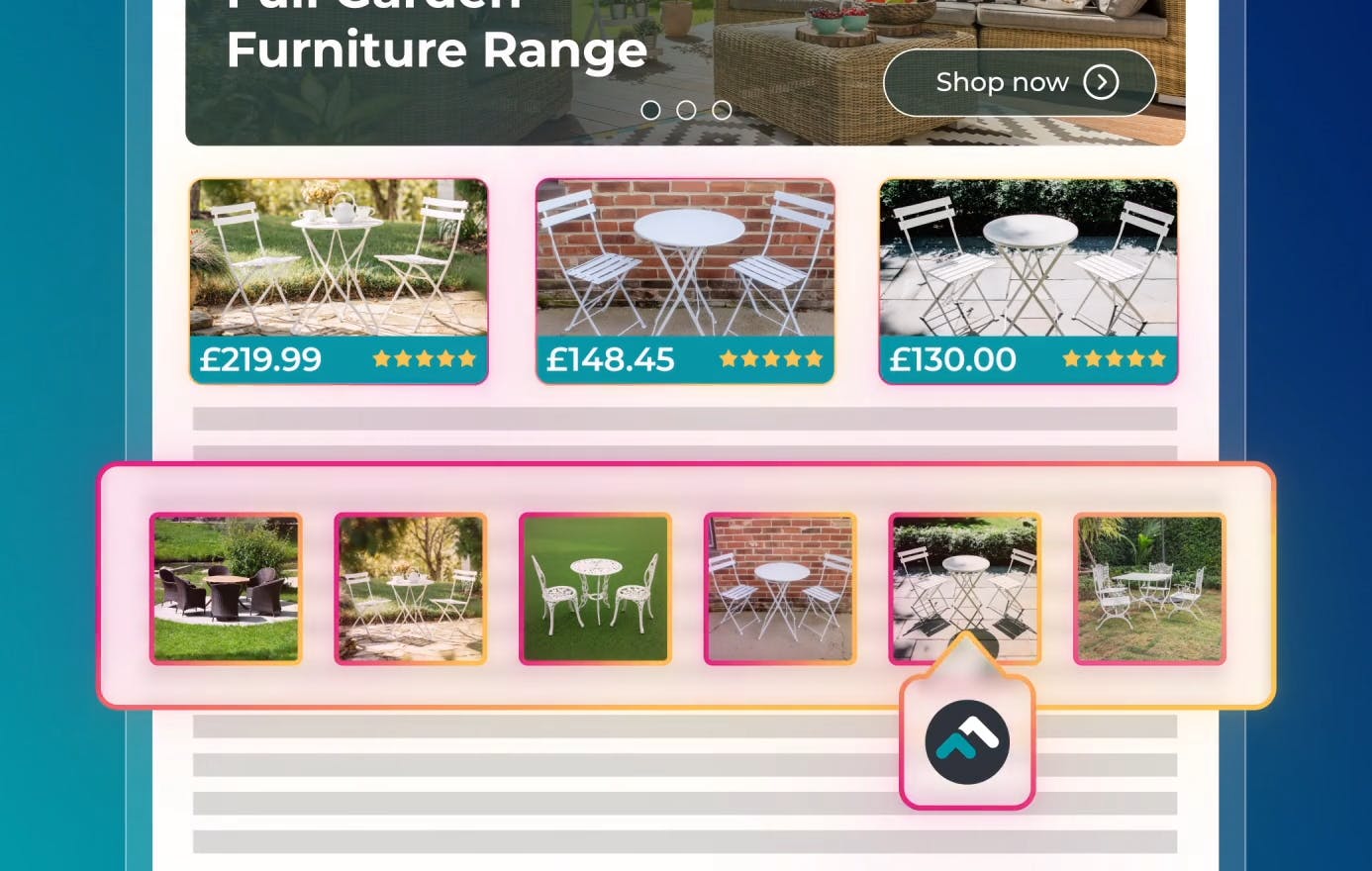
Example of AI segmentation and hyperpersonalisation
This is where AI segmentation drives utility. It watches the customer's digital body language and adjusts the recommendations accordingly.
Conversational Commerce: Closing the Loop
Finally, 2026 will see the chat window evolve from a support ticket system into a sales channel.
For years, chatbots were gatekeepers designed to keep people away from human agents. They were frustrating and often useless for shopping with their repetitive phrases and closed conversation loops.
New developments in Conversational Commerce allow us to connect the chat interface directly to the checkout.
Imagine a user asking: "I need a skincare routine for sensitive skin under £50."
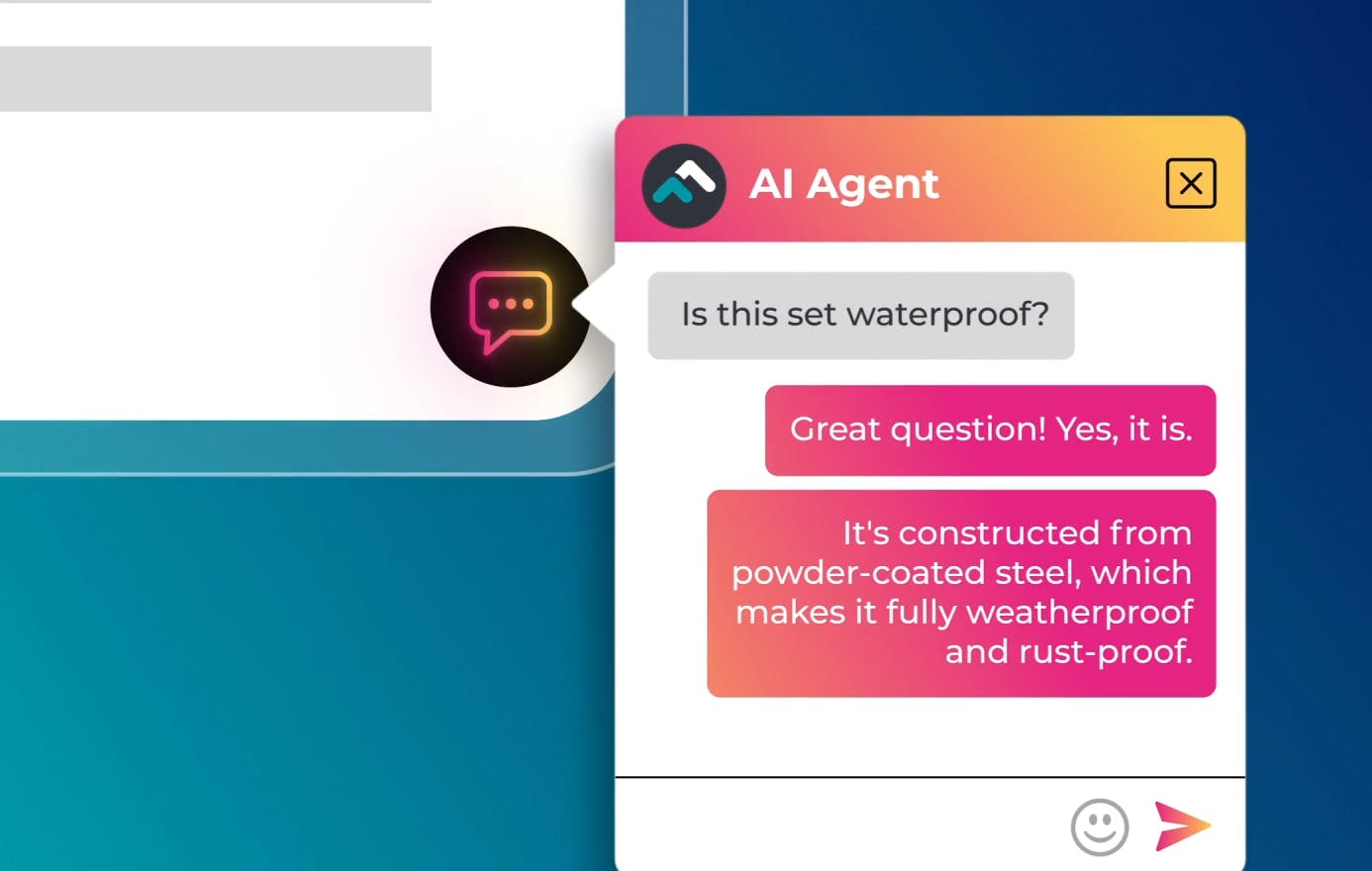
Example of a generative AI agent
A standard site forces the user to browse three different categories and do the math themselves.
An AI-powered conversational interface does the work for them:
- It helps you understand what you need.
- It scans the inventory.
- It filters for "sensitive skin" attributes.
- It bundles three products that total £48.50 and offers a single "Add to Cart" button.
This is not science fiction. It is simply connecting your product data to a Large Language Model (LLM) that understands your catalogue. It even goes a step further and increases your Average Order Value (AOV) by promoting and suggesting additional related products.
Conclusion: Be Useful
As we navigate 2026, the goal for UK E-commerce Directors shouldn't be to chase the sci-fi version of AI. You don't need a robot avatar greeting customers by name.
You simply need to remove the friction that has plagued e-commerce for a decade.
* If your mobile conversion is half of your desktop conversion, your discovery layer is broken.
* If your search bar returns "No Results" for a descriptive query, your data is failing you.
The technology to fix this - Semantic Search, Dynamic Segmentation, and Conversational Commerce - is no longer experimental. It is the new baseline.
It is time to stop forcing your customers to think like a database. Instead, start engineering your website to think like a human and act like a human - because the actual human visiting will surely appreciate it.
Is your search bar ready to listen?