




Agentic Commerce in 2026: Why 70% of Shoppers Want it, but Only 12% Trust it
While 70% of shoppers are interested in agentic commerce, only 12% trust AI to handle the final checkout. Discover the latest 2026 data on consumer trust barriers and how DTC brands can bridge the gap from product discovery to autonomous spending.
This week, we continue our discussion on the issue of trust in AI-aided customer journeys. We’ve announced that 2026 will be a year of agentic commerce, and the news shared since the beginning of the year most certainly proves it.
Prior to this, we have discussed what an important role trust in AI plays, even when it is limited to the conversational aspect of the customer journey, i.e. the discovery process. Numerous studies show that the role of AI in product discovery has been drastically increasing year over year.
At the end of February, we also saw news that ChatGPT has reached 900 million weekly active users. A number impressive in itself, but even more impressive and meaningful for DTC brands if you take into account that 42% of consumers now use AI assistants to compare products and prices before they ever look at a brand website.
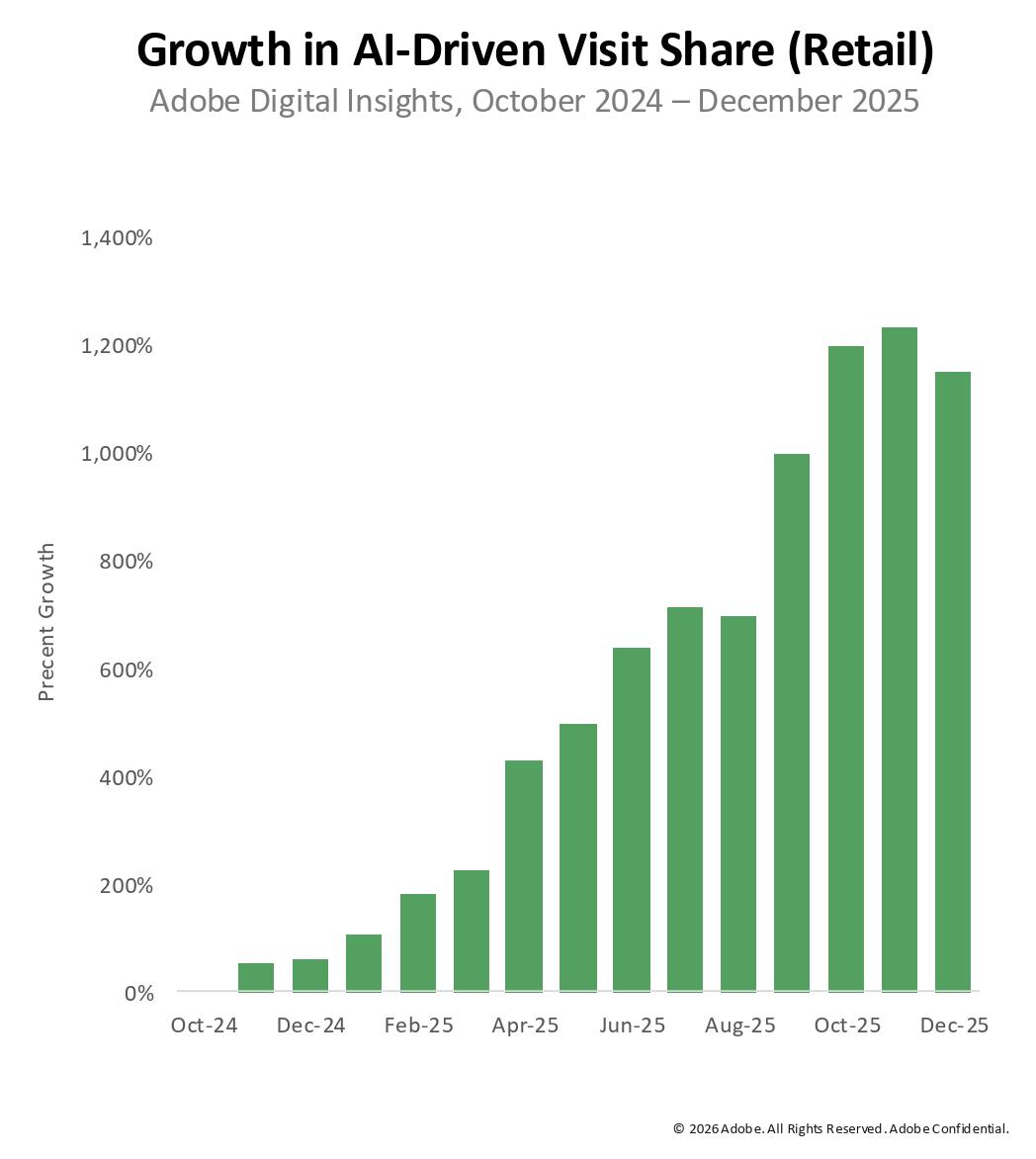
Image 1: AI-driven Visits (Retail), Source: Adobe AI Traffic Report
More importantly, referrals from AI platforms to retail sites are up 430% year over year, but what’s of utmost significance is the quality of these visitors. The visitors that are referred by AI stay on a site 35% longer and spend 12% more than those coming from traditional search (Adobe AI Traffic Report, 2026).
While these are mostly based on research that precedes the actual purchase, the technology we now have and the new protocols that were announced by OpenAI and Google are ready to take it a step further: agentic commerce.
However, while the technology seems to be ready for this next stage, the question that remains is whether the customer is ready as well, and, if so, at what cost.
What is Agentic Commerce?
In traditional e-commerce, the shopper is the pilot: they search for a product, compare prices, read reviews, and enter their credit card info.
With conversational commerce, the shopper asks the LLM to help them discover. It can compare prices, read reviews, and find a solution that best fits their needs and their prompt. The shopper takes the final step of finishing the transaction.
Agentic commerce, very simply put, does all the work.
How It Works
Agentic commerce relies on AI agents that possess reasoning capabilities and the authority to take actions on the customer’s behalf.
- Delegation: You give the agent a goal (e.g., "Find me a waterproof hiking boot under $150 with good arch support and buy it if it's on sale").
- Autonomous research: The agent scans multiple retailers, filters by your preferences, and checks inventory levels.
- Execution: The agent can interact with the website's API or UI to add the item to the cart and execute the transaction.
The Willingness to Adopt Agentic Commerce
A global study of over 5,000 consumers signals a major shift in retail: 73% of shoppers now integrate AI into their buying process. Consumers are primarily leveraging AI assistants for inspiration (45%), condensing product feedback (37%), and identifying the best deals (32%).
It is clear that AI has become a major part of customer experience, primarily with the focus on the discovery process. We have gone from the traditional keyword-based searching, which took time and patience (sometimes even skill), to a simpler and frictionless conversational experience. Just as people have easily adapted to the new kind of research for general purposes, so has this shift in research behaviour unsurprisingly taken over customer research journeys.
So, one thing is clear: customers love talking to AI. But are they willing to let it buy for them?
As of late 2025, only 12-13% of shoppers trust AI to make purchases autonomously, despite 70% claiming they are "somewhat comfortable" with the theoretical concept.
The gap between "comfort with the idea" and "clicking buy" remains significant. While many are open to the concept, only 17% of shoppers globally identify as active AI delegators who are ready to let a bot manage the full transaction. This interest is heavily driven by demographic and regional factors. In the US, interest in agentic shopping is higher, with 70% of consumers expressing a desire to use AI agents for at least some part of their buying journey. The UK follows a similar trend but with more caution, as 44% of shoppers say they are open to letting AI handle the entire process from research to checkout.
Age is the biggest predictor of this behaviour. Millennials are currently the leaders in this space, with 59% of them willing to delegate final purchases to AI. Gen Z follows closely behind at 48%, while only 26% of Baby Boomers feel comfortable with an AI agent spending their money. You can find more details on these consumer shifts in the Adyen 2026 Retail Report and recent data from PYMNTS Intelligence.
Most Common Reasons People Fail to Trust Agentic AI
Risk of fraud and security
The primary barrier to adoption is the fear of unauthorised transactions or data breaches.
If a customer gives an agent the authority to use their credit card, they need to know that the connection is secure. Many shoppers worry that hackers could hijack an agent to make bulk purchases or drain accounts.
Without clear "payments-grade" security protocols and identity verification like biometrics, most people will not hand over their financial keys.
Difficulty with returns and accountability
There is a major concern regarding who is responsible, either when a mistake happens or simply when a return has to be made.
If an AI agent buys the wrong size or an item that does not match the description, the customer is the one who has to deal with the return process.
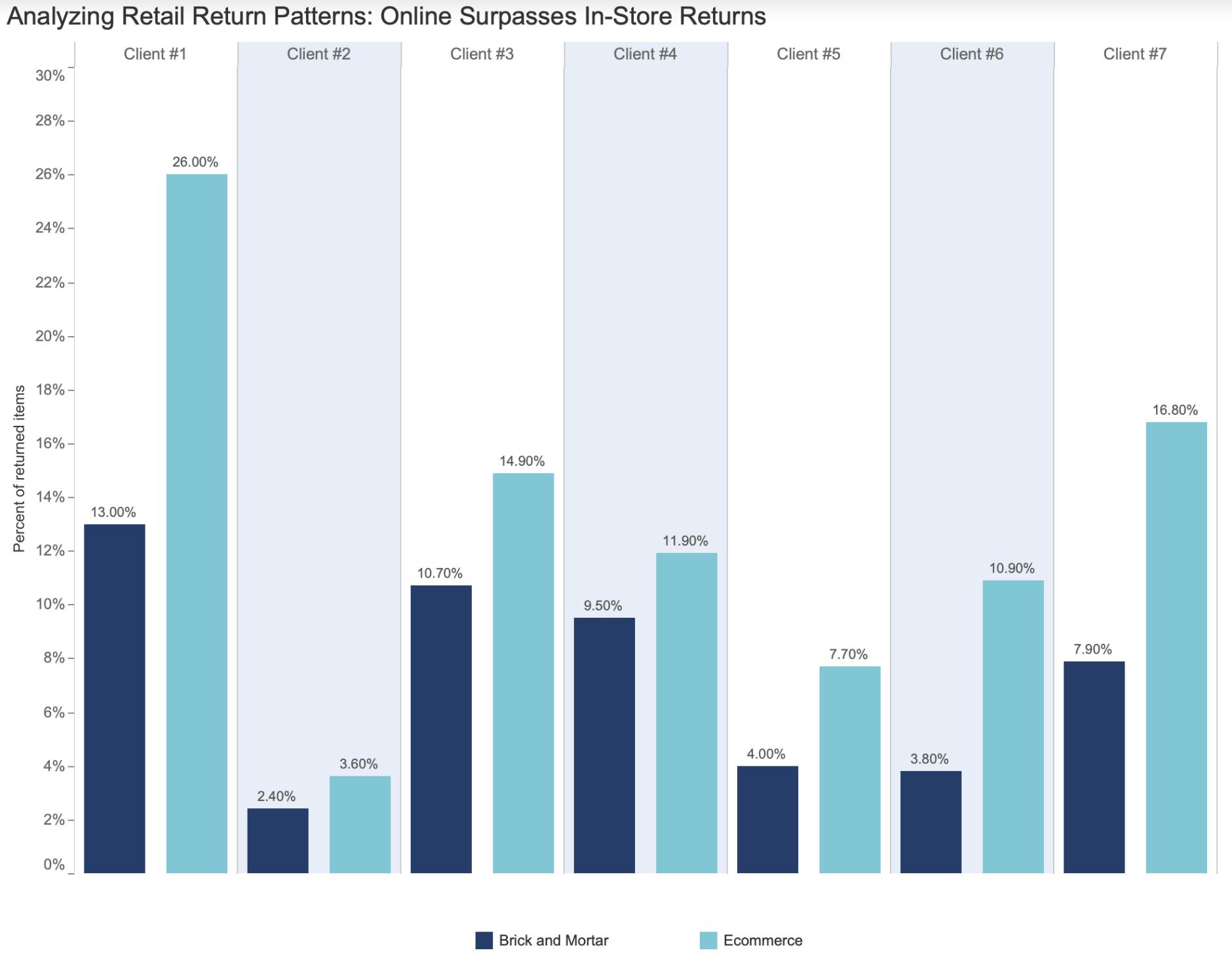
Image 2: Return Rates Patterns, Source: Appriss Retail
This graph shows how much larger the percentage for online shopping is when compared to traditional in-store purchases. Even if an AI agent gets the customer what they wanted, it is highly likely that when seen or tried on in person, the item bought will have to be returned.
What is even more problematic is a purchase mistake, with 45% of shoppers wanting a clear legal framework that defines whether the AI provider, the bank, or the retailer is liable for incorrect autonomous purchases.
Preference for low stakes and repetition
Trust is currently limited by the price tag and the type of product.
People are much more willing to let AI spend money on small and recurring purchases like groceries, household supplies, or monthly subscriptions. These are seen as low-risk tasks where the AI saves time on a "boring" chore.
However, for high-value items or one-time luxury purchases, the emotional and financial risk is too high for most to delegate just yet.
How DTC Brands Can Resolve Trust Issues
Closing the competence gap
The first step for any brand is to fix the conversational aspect of their AI.
If a customer interacts with a brand assistant and receives irrelevant answers or hallucinated product details, they will never trust that same system to handle their money. You cannot bridge the spending gap until you have bridged the competence gap.
Reliable and accurate conversation is the foundation of agentic commerce.
Implementing spending guardrails
Brands need to offer customers granular control over their AI agents.
This means allowing users to set hard limits on spending, such as requiring a manual "thumbprint" approval for any purchase over a certain amount. Providing a "kill switch" or a pre-shipment review window allows the customer to feel like they are still the pilot, even if the agent is doing the heavy lifting.
Transparency in data and pricing
To win over sceptics, brands must be transparent about how the AI selects products.
Customers need to be sure the agent is finding the best value rather than just promoting a brand that paid for a higher ranking. As paid ads are slowly finding their way into LLMs, it is crucial that these search results are clearly marked as sponsored, and not pushed further down the line of preference just because the brand paid more.
When it comes to an agent working on a particular brand’s website, the agent must not prioritise a high-margin product over one that actually fits the customer’s specific requirements. If a user asks for the "best value" hiking boot, the AI should be able to explain exactly why it picked a certain pair, whether that is based on price, verified user reviews, or specific technical specs, rather than just serving a generic recommendation.
Neutrality
Clear communication about data usage and how the agent interacts with third-party APIs will help build the long-term trust required for autonomous commerce.
Brands should also disclose whether their on-site agent is "brand-locked" or if it has the ability to compare prices with competitors. If a customer knows your agent is authorised to tell them "we have the best price right now," and can actually prove it by referencing real-time market data, the trust in that agent's competence increases exponentially.
Conclusion
Even though the technology is ready and consumer interest is growing, the transition to full agentic commerce will not happen overnight.
We have yet to see exactly how long it will take for the average shopper to let an algorithm manage large sums of money or complex buying decisions. While at least some of the trust is theoretically there, this one and the years to come will be the time to see how people actually approach agentic shopping.
For now, the focus for DTC brands must be preparation and keeping up with the tech giants that have already started paving the road to agentic commerce, which, just a couple of months ago, was only a part of e-commerce announcements.
You need to offer the best possible experience today by perfecting AI-powered search and conversational tools. By building trust in these smaller interactions now, you will be the brand they trust when they are finally ready to let their AI agents do the shopping.
Frequently Asked Questions
1. If we enable AI agents to buy on our site, will we see an increase in return rates due to "bot error"?
This is a valid concern, as 43% of shoppers fear an agent will simply buy the wrong item. To mitigate this, brands should implement a "Confirm with Human" step for non-recurring or high-value items before the order is finalised. By allowing the user to give a final nod to the agent's selection via a push notification, you satisfy the user's need for oversight while reducing the likelihood of costly, automated returns.
2. How do we ensure our product data is "agent-friendly" so the AI doesn't misrepresent us?
Trust is broken the moment an AI promises a feature your product doesn't have. Brands need to move beyond standard SEO and focus on "Agentic SEO." This involves using structured data schemas and clean API documentation that AI agents can ingest accurately. When an agent can reliably verify your stock levels and specific product specs (like "arch support" or "waterproof ratings"), it's less likely to hallucinate, which protects your brand's reputation for competence.
3. Won't customers be put off if they feel they are being "sold to" by a machine rather than helped?
The "creepiness factor" is a real barrier. To solve this, transparency is key. Your AI should clearly distinguish between an organic recommendation based on the user's prompt and a "promoted" suggestion. If a customer suspects the agent is biased toward higher-margin items rather than their actual needs, they will revoke the agent's spending authority. Openly stating how the AI makes its "decisions" builds the long-term integrity needed for transactional trust.
4. Should we offer "AI-only" discounts to encourage customers to try autonomous checkout?
While incentives can drive adoption, use them cautiously. If the discount is the only reason a customer uses the agent, they haven't actually built trust in the system, they've just been bribed. A better approach is to offer a "First-Time Guarantee" where the brand covers the cost of any return or error made by the agent. This lowers the perceived risk of the "novelty" and allows the customer to experience the convenience without the financial anxiety.
5. How do we handle the "Liability Gap" if a third-party agent (like ChatGPT) makes an error on our store?
This is one of the biggest legal grey areas for 2026. Since 45% of shoppers want a clear legal framework for AI mistakes, DTC brands should take the lead by updating their Terms of Service to include an "Agentic Purchase" clause. Clearly define that while you provide the platform, the user's chosen agent acts as their authorised representative. Providing this clarity upfront prevents customer service nightmares and shows the user that you have thought through the safety of their journey.